

Introduction:
Esther Mechler is a trailblazer in the animal welfare movement, renowned for her unwavering commitment to addressing the root causes of pet overpopulation. Over the course of her career, Esther has been instrumental in driving transformative change, particularly through her advocacy for accessible spay/neuter programs. Her leadership contributed to the remarkable 80% reduction in shelter euthanasia rates in the United States between 1990 and 2010—a milestone that reshaped the landscape of animal welfare.
As the founder of United Spay Alliance, Esther continues to champion prevention as the cornerstone of humane care, spearheading innovative initiatives like nationwide directories of affordable spay/neuter clinics, state leader networks, and hands-on training programs for veterinarians.
With a clear-eyed vision for the future and a deep understanding of systemic challenges, Esther is a passionate advocate for reprioritizing prevention to combat overpopulation and improve outcomes for both animals and communities. Her dedication to humane solutions, combined with her ability to inspire and mobilize others, makes her one of the most influential voices in animal welfare today. In this interview, we delve into Esther’s insights on why spay/neuter must lead the way in ensuring accessible care and sustainable progress in animal welfare.
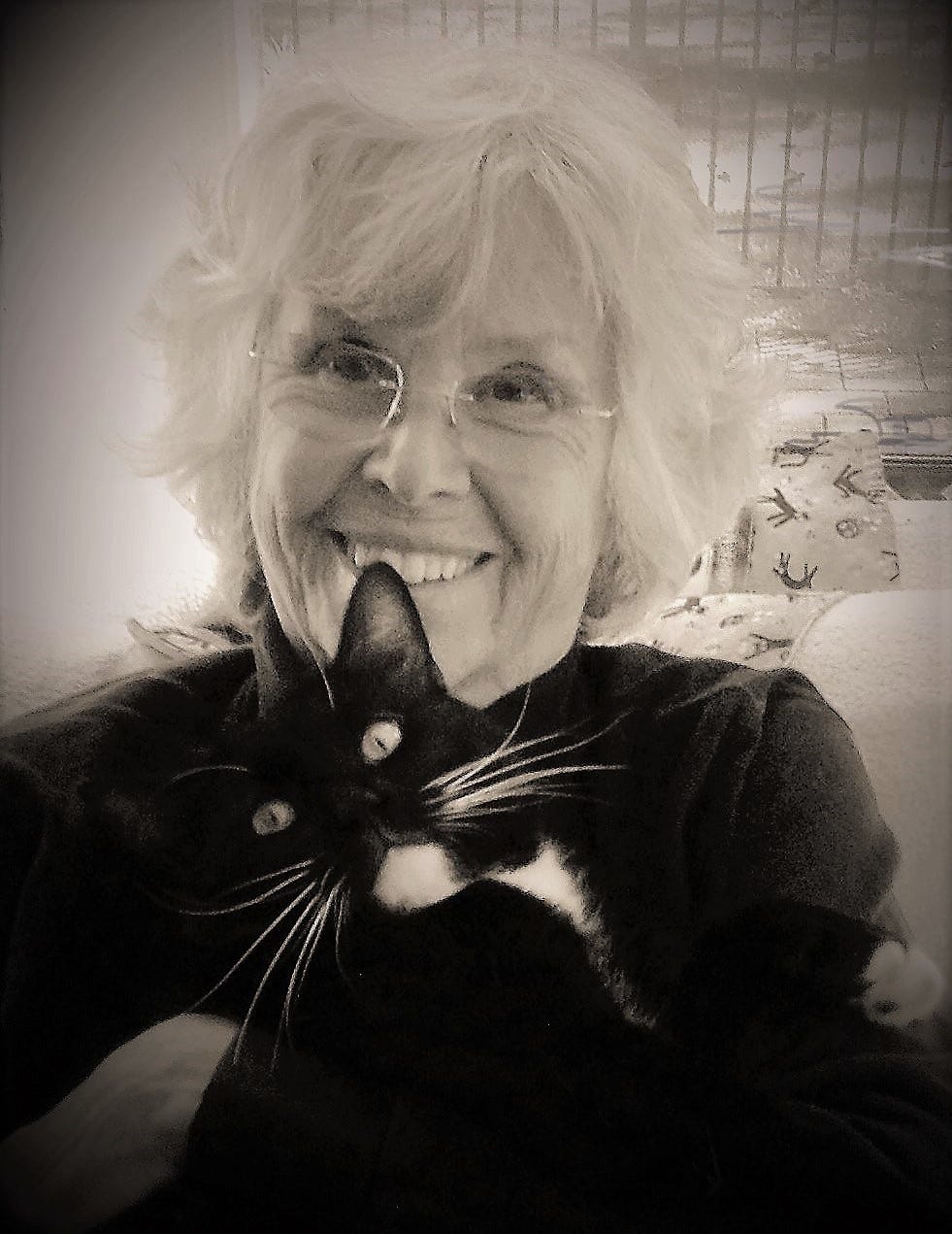
Interview:
Reflecting on Progress
Animal Politics: Esther, there are many who may be unaware of the fact that between 1990 and 2010, shelter euthanasia rates in the U.S. dropped by 80%, from 12 million to about 3 million annually. What drove that incredible progress?
Esther Mechler: This success was largely due to shelters and rescue groups prioritizing prevention through accessible, often free, spay/neuter programs. By reducing the number of unwanted litters, shelter intake dropped dramatically. While 3 million is still far too many, this milestone showed the power of prevention in reducing euthanasia caused by overcrowding.
The Consequences of Shifting Priorities
Animal Politics: What changed after 2010 that reversed some of this progress?
Esther Mechler: Around 2010, several major animal welfare organizations shifted focus from prevention to adoptions, transport, and rescue efforts. While these initiatives have value, deprioritizing spay/neuter has had dire consequences: overcrowded shelters, unrelenting kitten seasons, and increased abandonment. Dogs reproduce 15 times faster than humans and cats 45 times faster—we cannot adopt our way out of this crisis. Prevention must take center stage again.
The Role of Major Organizations
Animal Politics: What role should the national animal welfare organizations play in addressing overpopulation?
Esther Mechler: These organizations have the financial resources to enact meaningful change. They could create super-clinics in every state to provide high-quality, low-cost spay/neuter services, deploy mobile clinics for rural areas, and establish subsidy funds for underserved communities. By reprioritizing prevention, they could dramatically reduce unwanted litters and help shelters focus on innovative programs that enrich lives.
Counting the Ghosts
Animal Politics: You’ve mentioned “ghost animals.” What does this term mean?
Esther Mechler: “Ghost animals” are those turned away from shelters due to limited-admission practices aimed at protecting save rates or live-release rates. These animals are often abandoned or left to fend for themselves, with many not surviving. They’re treated as though they don’t exist—hence the term “ghost animals.” Tragically, many become literal ghosts. Exposing this hidden crisis is critical if we want to address it effectively.
The Unintended Impact of "No-Kill" Metrics
Animal Politics: What’s your perspective on “no-kill,” save rates, and live-release rates?
Esther Mechler: While well-intentioned, these metrics have unintended consequences. To maintain high save rates, too many shelters turn animals away or limit public access through reduced hours or surrender fees. This leaves animals vulnerable as “ghost animals.” Instead of focusing solely on these numbers, we need a balanced approach that prioritizes prevention through spay/neuter programs to reduce shelter intake at its source.
Prevention as Public Health
Animal Politics: Why is spay/neuter so critical in animal welfare?
Esther Mechler: Spay/neuter is foundational—it prevents unwanted litters while extending an animal’s lifespan by reducing cancer risks and unwanted behaviors like roaming or spraying. It’s also cost-effective: addressing unplanned litters costs far more than preventive surgeries. Prevention aligns with public health principles as the most humane and sustainable solution.
Equilibrium as a Goal
Animal Politics: What does equilibrium mean in the context of animal welfare?
Esther Mechler: Equilibrium is when the number of animals born aligns with the number of good homes available. Once we reach this balance, resources can shift to other veterinary needs like dental care or chronic disease management. Until then, spay/neuter must remain our top priority.
Addressing Veterinary Shortages
Animal Politics: How is United Spay Alliance addressing the shortage of spay/neuter surgeries?
Esther Mechler: We’ve facilitated wet labs across the country where veterinarians receive hands-on training in efficient spay/neuter techniques. To date, we’ve trained 42 veterinarians through 10 labs. We aim to expand these training opportunities nationwide and advocate for integrating spay/neuter training into veterinary school curriculums. This will increase surgical capacity while reducing time and costs.
Innovative Shelter Programs
Animal Politics: What kinds of programs could shelters implement if overpopulation were reduced?
Esther Mechler: Shelters could expand their roles by offering transitional pet care for elderly pet parents facing hospitalization, behavior modification programs for cats, professional support for TNR (Trap-Neuter-Return) efforts, training programs for pet care education, and humane education initiatives to foster a kinder world for animals.
Humane Education's Role
Animal Politics: Why is humane education important?
Esther Mechler: Humane education teaches people how to care for animals responsibly and fosters compassion for all living beings. Unfortunately, many organizations have abandoned these programs, missing a critical opportunity to create systemic change in how communities view and treat animals.
Spay/Neuter Accessibility
Animal Politics: How can spay/neuter services become more accessible?
Esther Mechler: By investing in super-clinics that offer low-cost services statewide and deploying mobile or hybrid clinics in rural areas where access is limited. Subsidy funds should also be established to assist low-income families who want to do the right thing but can’t afford it.
The Cost-Effectiveness of Prevention
Animal Politics: How does spay/neuter compare financially to other interventions?
Esther Mechler: The cost of addressing unplanned litters—through sheltering or medical care—far exceeds the investment in preventive surgeries. A single emergency hospitalization often costs as much as multiple spay surgeries. Prevention saves money while saving lives.
Leadership for the Future
Animal Politics: What qualities are essential for future leaders in animal welfare?
Esther Mechler: Leaders need what I call the “Five Cs”: Courage to speak up when things go wrong; Common Sense for sound decision-making; Clarity to articulate a vision; Capability to implement next steps effectively; and Communication skills to inspire action among colleagues, politicians, journalists, and the public.
United Spay Alliance's Mission
Animal Politics: Tell us about United Spay Alliance’s work.
Esther Mechler: United Spay Alliance provides a nationwide directory of affordable spay/neuter programs alongside resources like webinars, newsletters, grants for community cat programs, and our Feline Fix by Five campaign. USA also runs monthly podcasts and hold annual conferences to share best practices and updates with animal welfare professionals.
A Call to Action
Animal Politics: What’s your message for those who want to make a difference in animal welfare?
Esther Mechler: Prevention must take center stage again until we reach equilibrium. By investing in spay/neuter programs now, we can prevent countless animals from suffering while enabling shelters to focus on enriching lives through innovative initiatives.
Closing Thoughts
Animal Politics: How can people connect with you or support United Spay Alliance?
Esther Mechler: Visit www.unitedspayalliance.org for resources or contact information. Whether you’re ready to volunteer or collaborate, we welcome anyone passionate about reducing overpopulation and ensuring every pet has a loving home!
Animal Politics: As we reflect on the challenges and opportunities in animal welfare, Esther Mechler’s message is clear: prevention must once again take center stage. Spay/neuter is not just a solution—it’s the foundation for sustainable progress, ensuring fewer animals endure lives of hardship while allowing shelters to focus on enriching and saving lives. By reprioritizing prevention, investing in accessible spay/neuter services, and addressing the hidden crisis of “ghost animals,” we can build a future where every pet has a loving home.
Esther’s decades of leadership remind us that meaningful change is possible when we commit to humane, effective, and forward-thinking solutions. To learn more or join the effort, visit United Spay Alliance at unitedspayalliance.org and become part of the movement to create a kinder world for animals everywhere.
Ed Boks is a former Executive Director of the New York City, Los Angeles, and Maricopa County Animal Care & Control Departments, and a former Board Director of the National Animal Control Association. His work has been published in the LA Times, New York Times, Newsweek, Real Clear Policy, Sentient Media, and now on Animal Politics with Ed Boks.
But doesn't this organisation "Partner" with Best Friends Animal Society? who do NOT support mandatory spay/neuter legislation. I'm all for spay/neuter but I do not support any organisation that "partners" with Best Friends. The issue in terms of funding is not that there is too little money - as evidenced by donations filling BF coffers and their offshore accounts and vast holdings - it is how that money is being distributed and the fact that to get grant money from BF, you MUST provide live outcome data (often skewed in terms of "died in shelter", "vicious", "sick beyond reasonable care", all of which are very subjective and able to be manipulated.) Happy for organisations to receive grant money from any charity - ON THE BASIS THAT THERE ARE ABSOLUTELY NO STRINGS ATTACHED.
The political problems around spay/neuter must be addressed head-on or we will always be left with inadequate (overwhelmed, under-resourced) charitable programs.
In some towns and municipalities, TNR is illegal. In most others, the gov't doesn't provide funding. The elected officials find it cheaper to kill them in shelters or let them die in the streets.
In addition, organizations like the AVMA oppose low-cost/no-cost spay-neuter because it undercuts the income of profit-motivated veterinarians.
The public, for the most part, remains poorly politically organized, uninformed, or, misinformed about the value of TNR of free-roaming (homeless) animals or spay/neuter companion animals.
Even where such programs exist there are obstacles. Lower-income people with companion animals can't afford time off from work and may not be able to afford the travel costs to available services even if otherwise free.
Couple that with landlords who don't allow pets or increasing veterinary costs and you have a recipe for the abandonment of unspayed/uneuterred animals. The charitable organization resources are overwhelmed.
There must be a focused and aggressive political response to the rampant companion animal homelessness otherwise death becomes the expedient option.